The Story
While instant torque helps EVs launch, early 2000s performance trucks like the Dodge Ram SRT-10 and Ford SVT Lightning use their power to reach insane speeds. Here’s what’s happening:
Stellantis The thing about the law of unintended consequences is that those consequences are often pretty bad. For example, when the government rolled out its Corporate Average Fuel Economy (CAFE) regulations in 1975 to push automakers to build more efficient cars, one of the key strategies the companies employed to achieve that was to…
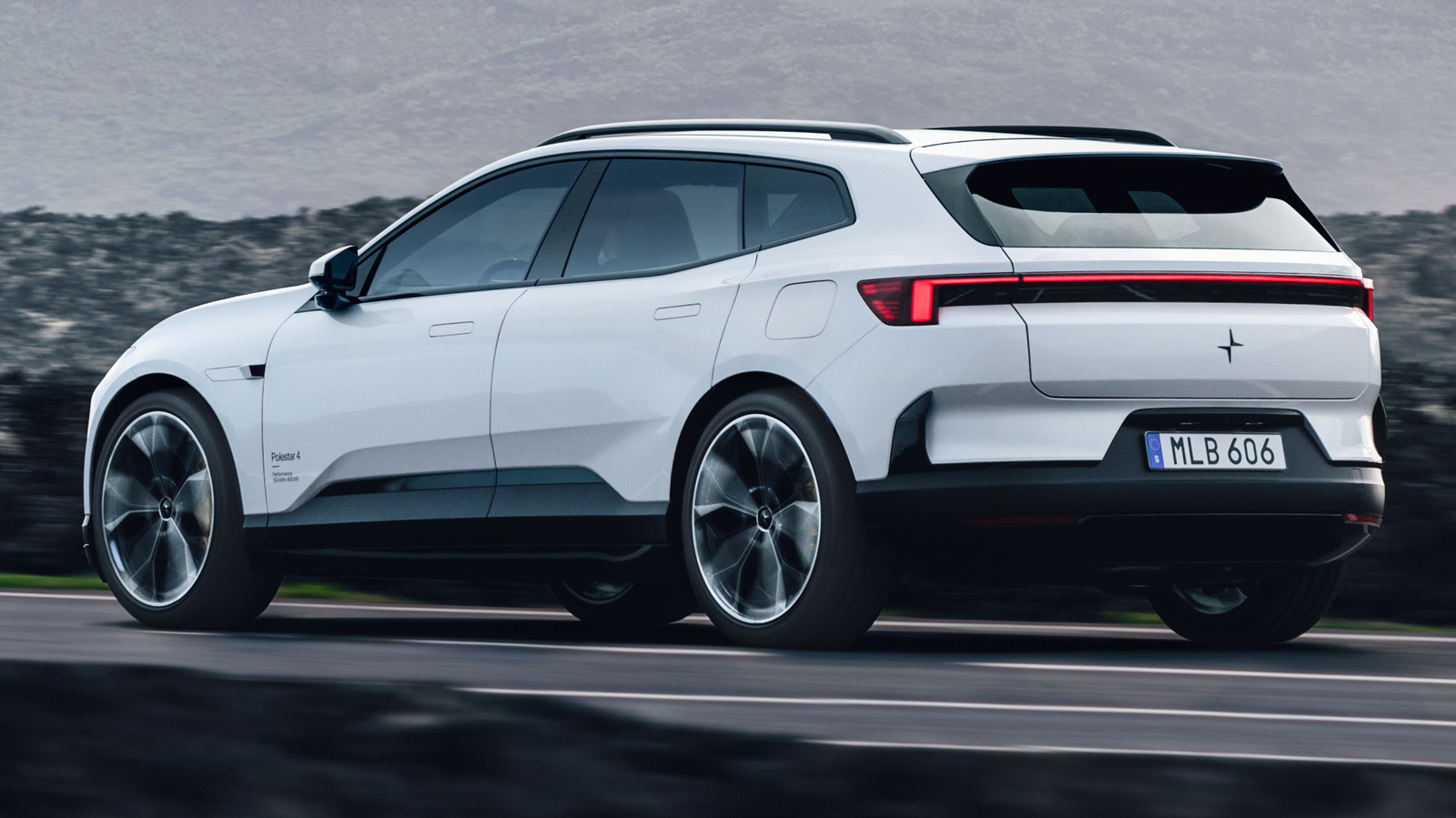
In other words, the new interest in EVs, however, gives us at least one unintended consequence that gearheads can get excited about: On the way to their improved efficiency over gas cars, EVs have rewritten the rules for acceleration. That’s how we got to the point where the 7,148-lb full-size Rivian R1T electric pickup is quicker to 60…
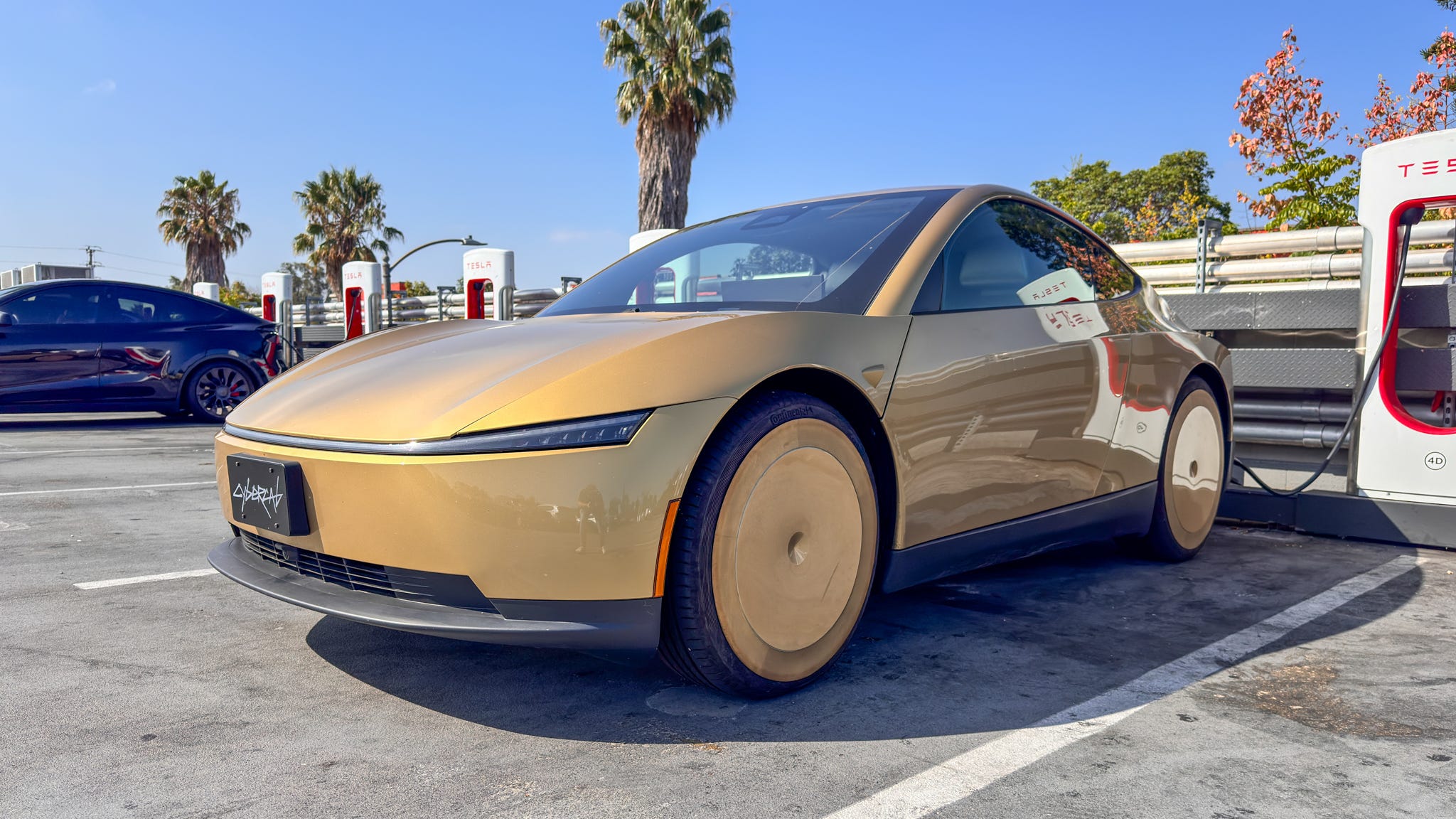
That is — of course, there is a catch: It’s not the current crop of gasoline-fed pickups that includes the fastest examples. In fact, at approximately 130 mph, the quad-motor Rivian R1T and Tesla Cybertruck tie for the highest top speeds among today’s trucks. Instead, to find the fastest production trucks in terms of top speeds, you have…
To put it simply, theTopher/YouTube The big differences in how gasoline engines and electric motors work also explain the big differences in their performance profiles. For one thing, it takes more time for a gas engine to develop torque than it does for an electric motor. After pressing the gas pedal, the engine throttle bodies open,…
Breaking this down, where gasoline engines have an advantage is in maximum velocity. The core difference here is that combustion-engined vehicles usually have multi-speed transmissions, and EVs don’t. Without getting too deep into the details, a transmission changes the ratios between how fast the crankshaft spins and how fast the wheels…
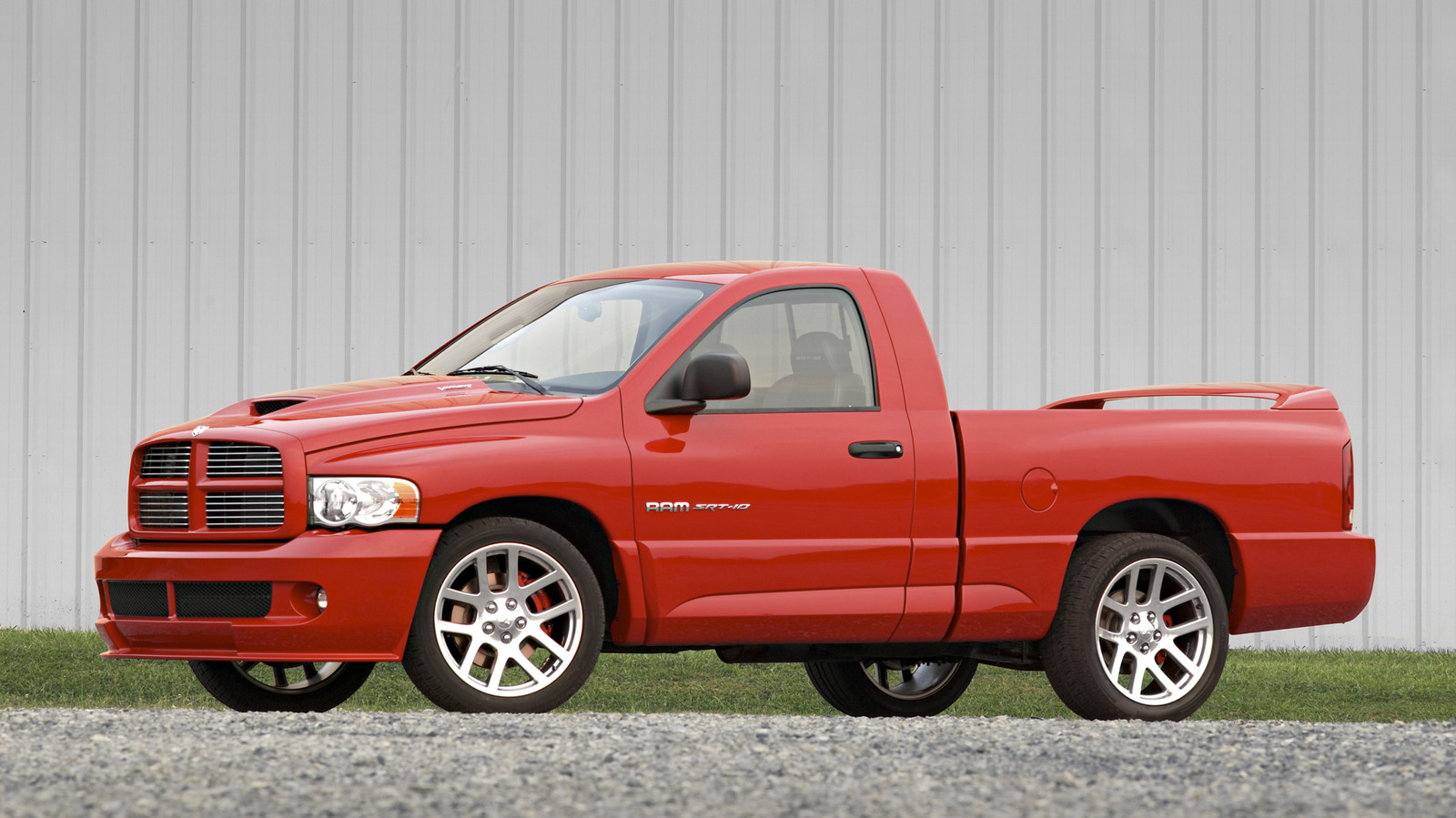
Now, ford The current record-holder for fastest bona fide production pickup truck, the Dodge Ram SRT-10, is motivated by the same 8.3-liter V10 that featured in the Dodge Viper – meaning the truck also has the record for the largest-displacement engine in a production pickup. It’s a powerplant that’s good for 500 horsepower and 525…
Why It Matters
This story resonates because it marks a notable moment for the industry. Industry watchers often read such moves as signals — for the general landscape this could suggest a shift toward younger, digitised audiences.
CarMotion Daily’s Take
Our read: The Quickest Trucks Are Now EVs, But The Fastest Trucks Are Still Gas (And Old) is more than a headline — it indicates a deliberate move from the parties involved’s playbook. Watch the next 60 days for follow-through.
📝 Source & Copyright Notice
This story was first reported by Jalopnik. For the full article with original photography and complete coverage, visit the source: Read the full story at Jalopnik →
📝 Source & Copyright Notice
This story was first reported by Jalopnik. For the full article with original photography and complete coverage, visit the source: Read the full story at Jalopnik →