The Story
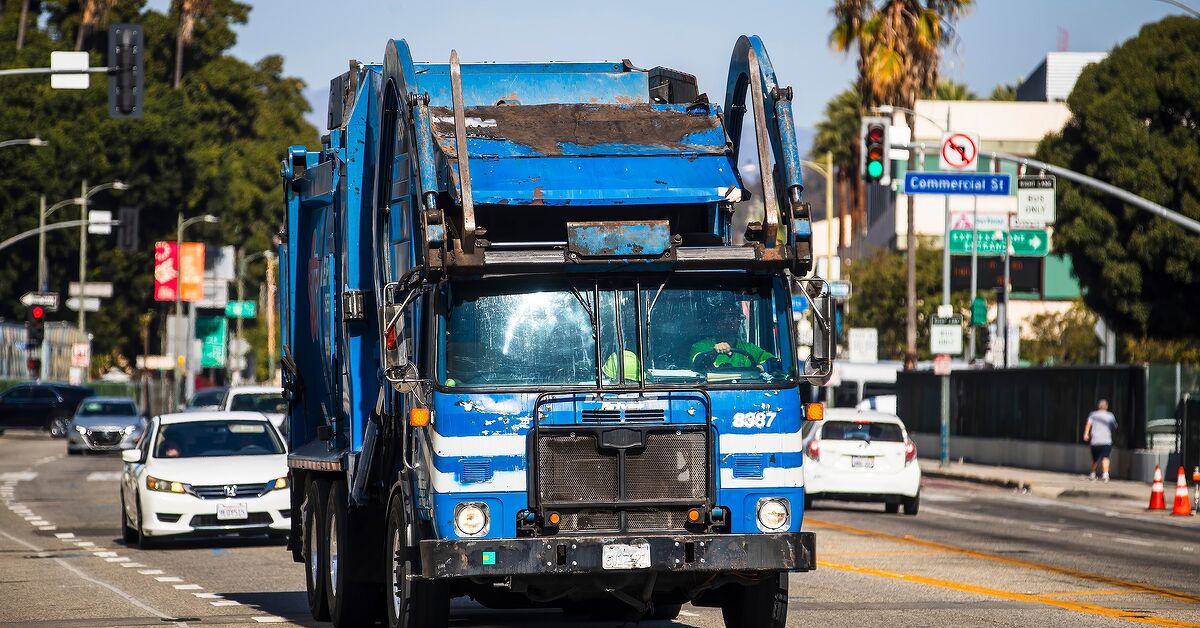
The new frontier of automotive surveillance appears to have arrived. Texas now has garbage trucks (and other vehicles) equipped with AI-powered cameras that are supposed to evaluate properties to determine which Dallas residents need to be issued government fines. As the trucks run their usual route, the system is supposed to be giving each lot scores — which determine what kind of action the city might take against the relevant property owners. Based on reporting from a local NBC.
Report: GM Allegedly Pumping The Breaks On Full-Size EVs Connie Peters Drives The 2026 Ford Explorer Tremor Chinese Vehicle Content Rules Forcing Polestar Out of U.S. Next Year See Edits News Blog Technology Safety 1K Views Are Garbage Trucks the Next Frontier of Public Surveillance?. By Matt Posky (IC: employee) Published: September 9th, 2026 Share.
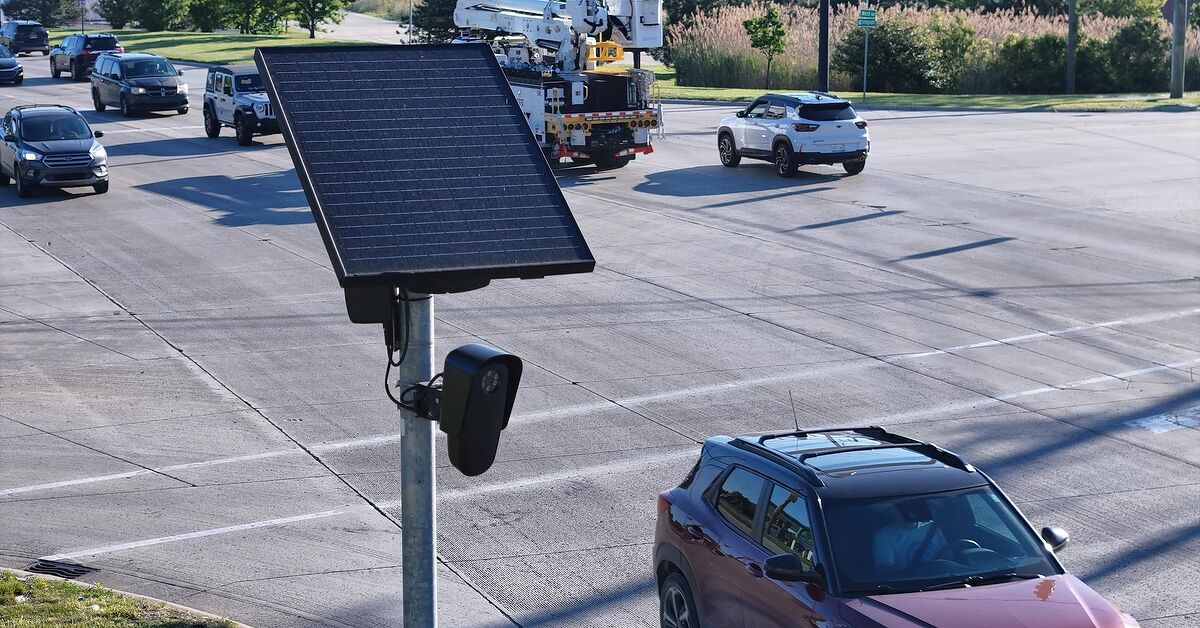
The new frontier of automotive surveillance appears to have arrived. Texas now has garbage trucks (and other vehicles) equipped with AI-powered cameras that are supposed to evaluate properties to determine which Dallas residents need to be issued government fines. As the trucks run their usual route, the system is supposed to be giving each lot scores — which determine what kind of action the city might take against the relevant property owners.
In both cases, the public response has been overwhelmingly negative and a company called City Detect exists at the center of it. Dallas has a $2.5-million contract with the business that seeks to amass data about neighborhoods via cameras mounted on the side of garbage trucks. The system tracks properties and assigns them what is effectively a social credit score, something that was broadly mocked as totalitarian in the United States just a few years earlier.
Low scores are determined primarily by code violations. However, partnered cities may also have the option to track things that aren’t outright illegal. Even if an overgrown lawn or poorly maintained residence doesn’t technically qualify as breaking the law, the municipal government may still opt to use those things as markers before sending over a representative to check up on the property.
One supposes that the program should be effective in what it’s trying to accomplish: identifying urban decay so it can be dealt with. Camera equipped trash trucks, dedicated code enforcement vehicles, and even police cars will amass data by simply driving around while automated tools determine which parts of town are looking a little shoddy or seem poised to be high-crime areas. City Detect then shares the information and the local government decides how best to respond.
But it’s also another instance of widespread government surveillance that exists in a legal gray area. The Fourth Amendment protects American citizens from unreasonable searches and seizures by the state. As we’ve already seen with Automated License Plate Readers (ALPRs), outsourcing those searches to private companies has given government actors some plausible deniability. Governments get widespread public surveillance that effectively place everyone under permanent investigation and the relevant companies get a sizable contract while they presumably get to do some data harvesting of their own.
City Detect has asserted that there’s no assurance of privacy in public spaces, which includes the side of the road. This is true. You could stand on a street corner and record passersby all day without running afoul of the law. The First Amendment guarantees a citizen’s ability to petition the government, in addition to freedom of religion, speech, expression, an independent press, and assembly. However, it’s the last two items where things start to get a little fuzzy.
While Americans have these rights, they’re not technically something that’s extended to their government. One could even argue that widespread surveillance could undermine the public’s right to free assembly or expression. It’s certainly something that’s been done before.
By using companies like Flock Safety, Axon, or City Detect as a legal buffer, the mounting concern is that the government is actively violating the Fourth Amendment by abusing the spirit of the First. In an effort to assuage concerns, City Detect has stated that its cameras automatically blur the faces of any humans captured from the road. But there’s not much goodwill left with the public after recurring examples of law enforcement agents abusing Flock’s AI-assisted network came to light. Flock’s leadership has likewise habitually misled the public about what its camera network actually does.
Public opposition to these companies, and the government actors that are paying millions for their services, only seems to be growing. There are now groups of activists and independent journalists that go around recording employees of these surveillance firms (primarily Flock) to drive home the point that nobody wants to be monitored. Those efforts have yielded some interesting responses, including trying to use the police to stop them from being recorded in public.
Why It Matters
Consumer advocate tracking industry trends and regulations.
CarMotion Daily’s Take
Next Year See Edits News Blog Technology Safety 1K Views Are Garbage Trucks the Next Frontier of Public Surveillance?. Watch this space over the coming weeks. Supply chains, regulations, and consumer demand are reshaping the playbook faster than five-year plans can keep up. Dealer networks and service capacity will need to evolve alongside whatever the headline announcement implies. Regulatory filings, supplier contracts, and any production-volume adjustments usually trail the headline by a quarter or two. Stock price moves and dealer council chatter are leading indicators worth monitoring.
📝 Source & Copyright Notice
This story was first reported by TTAC. For the full article with original photography and complete coverage, visit the source: Read the full story at TTAC →