The Story
Today, if a car company announces a 700-horsepower luxury SUV with a six-figure price tag, the reaction is usually a shrug.Of course it does.Every luxury manufacturer has one.
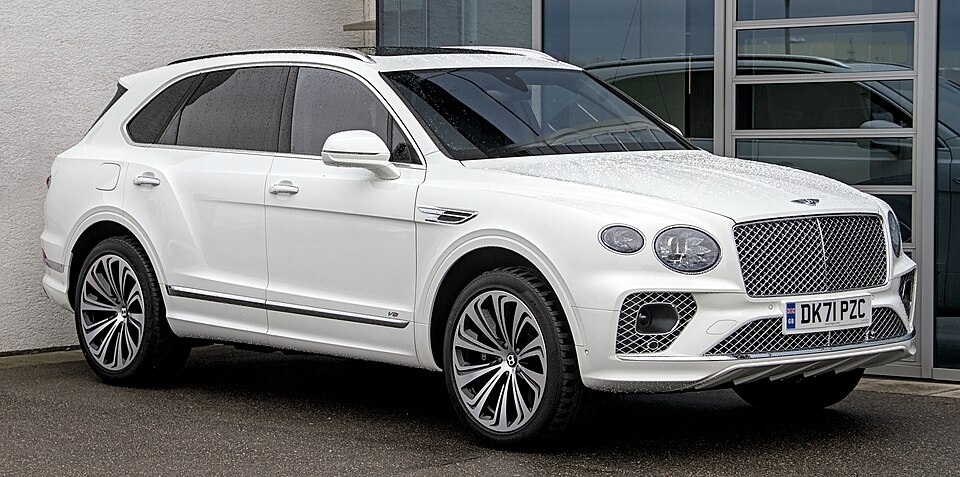
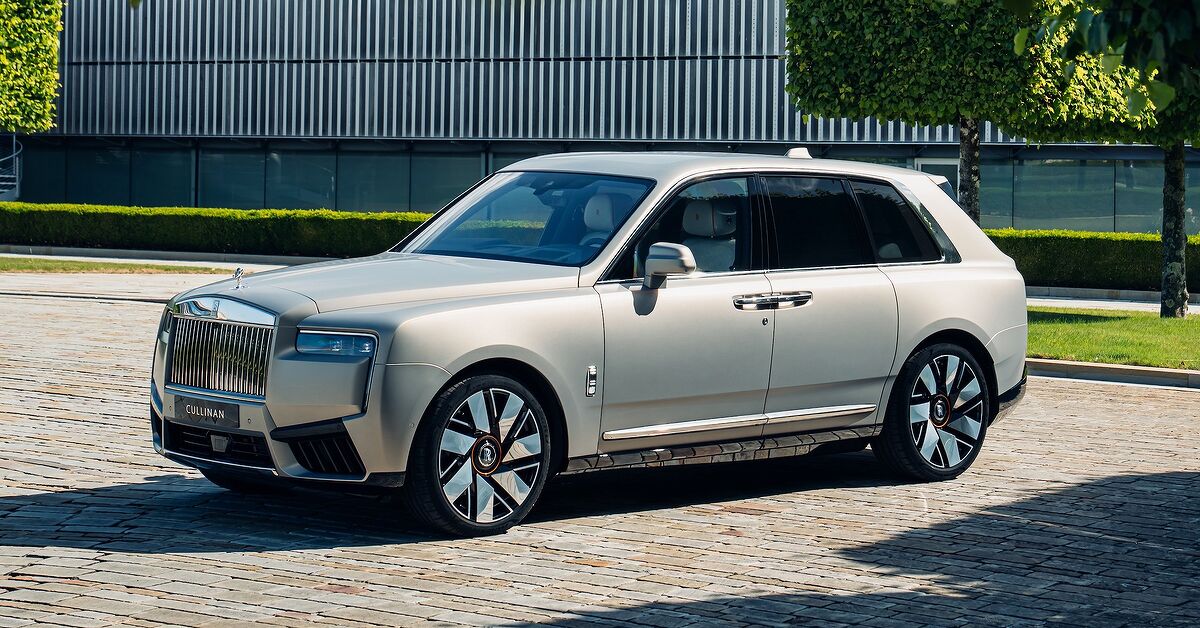
Report: GM Allegedly Pumping The Breaks On Full-Size EVs Connie Peters Drives The 2026 Ford Explorer Tremor Chinese Vehicle Content Rules Forcing Polestar Out of U.S. Next Year See Edits News Blog Spyker Luxury NEW!. Spyker D12 Peking-to-Paris: The Super SUV That Arrived Before the World Was Ready by Chris VS Cars | TTAC Creator (IC: ) Published: September 15th, 2026 Share Today, if a car company announces a 700-horsepower luxury SUV with a six-figure price tag, the reaction is usually a shrug. Of course it does. Every luxury manufacturer has one. Bentley has the Bentayga. Lamborghini has the Urus. Aston Martin has the DBX. Rolls-Royce has the Cullinan. Ferrari even joined the party with the Purosangue.
But back in 2006, the idea of an exotic super-SUV was almost absurd. Sports car companies built sports cars. Luxury brands built limousines. SUVs were things farmers drove across muddy fields or wealthy families used to haul children and dogs.
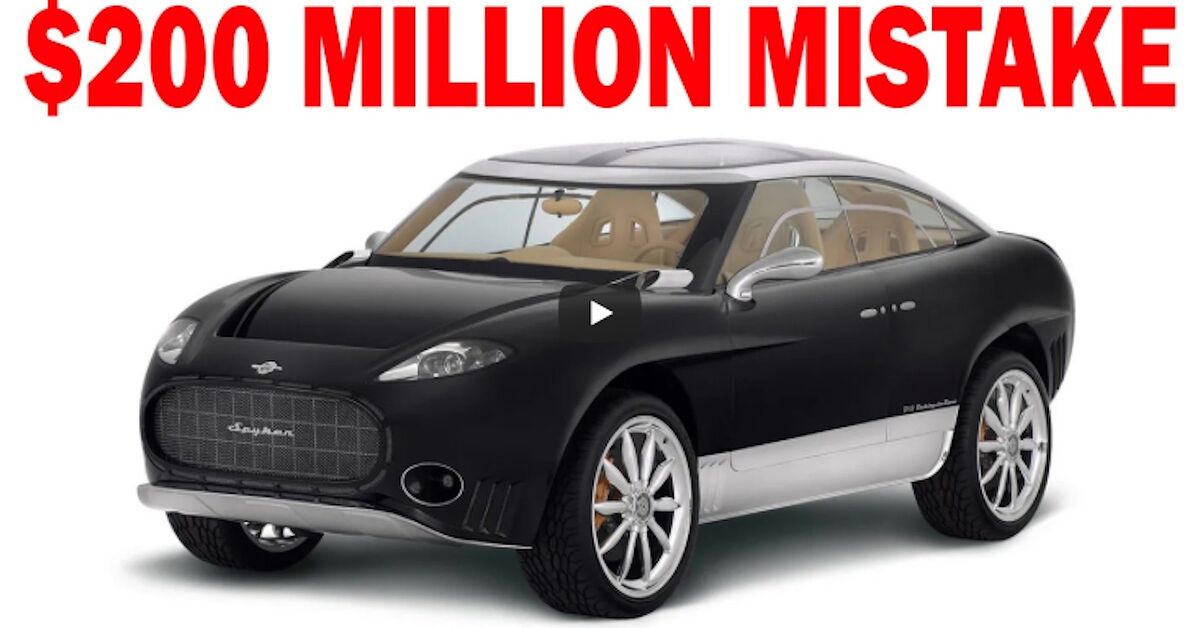
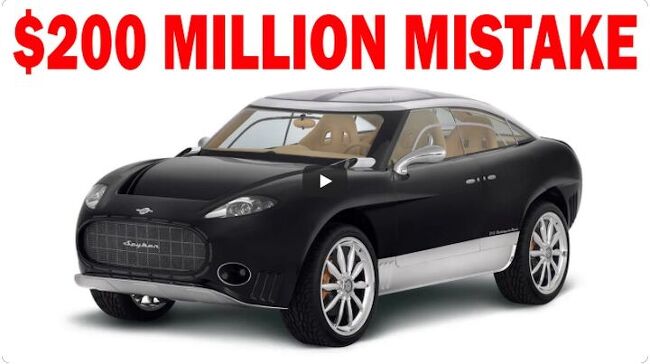
The notion that someone might spend Ferrari money on a tall, four-wheel-drive machine seemed about as sensible as fitting a chandelier to a fighter jet. And yet, years before most manufacturers realized there was a fortune to be made in combining supercar glamour with SUV practicality, a tiny Dutch company called Spyker unveiled something extraordinary. It was called the Spyker D12 Peking-to-Paris.
The TTAC Creators Series tells stories and amplifies creators from all corners of the car world, including culture, dealerships, collections, modified builds and more.
Spyker was not a newly invented boutique brand. The original company dated to the 19th century and built carriages, automobiles and aircraft. Entrepreneur Victor Muller revived the name in 1999, intending to produce exclusive, hand-built supercars combining Dutch craftsmanship with aviation-inspired design. The resulting C8 became known for its elaborate aluminum components, exposed mechanical hardware, quilted leather and aircraft-like controls.
Spyker saw an opportunity to combine the prestige and performance of an exotic car with the practicality of an SUV. The name Peking-to-Paris referenced the famous 1907 endurance journey from Beijing to Paris, reflecting Spyker’s interest in automotive history and adventure. Rather than being a conventional off-road vehicle, the D12 was envisioned as a high-performance grand tourer capable of crossing continents in comfort.
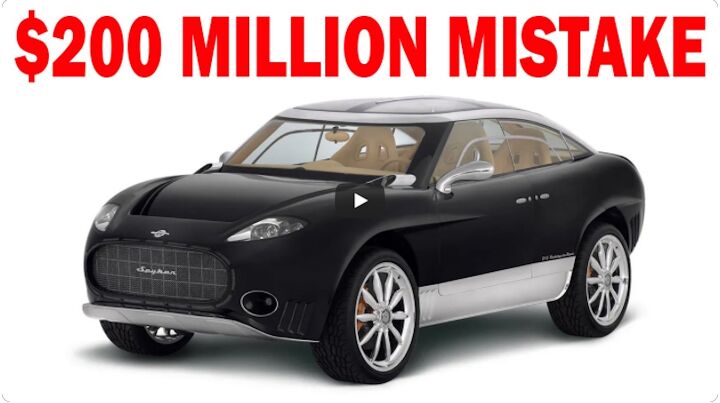
The D12’s design was deliberately extravagant. It featured Spyker’s aviation-inspired grille, sweeping bodywork, huge wheels, large side air intakes and an unusually low roofline for an SUV. Its dramatic rear-hinged suicide doors opened onto an interior resembling a luxury yacht or private aircraft. Polished aluminum, quilted leather, aircraft-style controls and Spyker’s signature exposed gear mechanism emphasized craftsmanship and mechanical theater.
Spyker planned to use a twin-turbocharged Volkswagen W12, similar in basic lineage to the engine used by Bentley, producing approximately 500 horsepower. In 2006, that was serious performance: the Porsche Cayenne Turbo had 450 hp, the Ferrari F430 480 hp and the Lamborghini Gallardo roughly 520 hp. Despite weighing about 1,850 kg, Spyker claimed a 0–60 mph time of around five seconds.
The D12’s most important characteristic was its formula: an exotic badge, dramatic styling, huge engine, high performance, handcrafted luxury, exclusivity and an SUV body. That formula is almost identical to today’s high-end performance SUVs. Spyker therefore identified a lucrative market before most established luxury and exotic manufacturers recognized it. The Geneva unveiling reportedly generated more than 100 expressions of interest or potential orders, suggesting that demand wasn’t the problem.
The D12 ultimately became another example of an ambitious automotive idea undone by finances and execution. Spyker became heavily involved in an attempt to acquire Saab, consuming substantial resources. Meanwhile, the D12’s powertrain plans changed, costs became problematic, production targets shifted and development slowed. By 2010, it was clear the SUV would never reach production. Spyker subsequently endured bankruptcies, restructurings and attempted revivals.
The Spyker D12 Peking-to-Paris was a case of being right about the market but unable to capitalize on it. In 2006, the idea of spending exotic-car money on a high-performance luxury SUV seemed strange. Yet the D12’s basic concept eventually became one of the most profitable formulas in the luxury-car business. Porsche, Bentley, Lamborghini, Rolls-Royce and Ferrari eventually followed the path Spyker had identified — just without Spyker itself benefiting from the trend.
Why It Matters
Spyker D12 Peking-to-Paris: The Super SUV That Arrived Before the World Was Ready by Chris VS Cars | TTAC Creator (IC: ) Published: September 15th, 2026 Share Today, if a car company announces a 700-horsepower luxury SUV with a six-figure price tag, the reaction is usually a shrug.
CarMotion Daily’s Take
Next Year See Edits News Blog Spyker Luxury NEW!. Watch this space over the coming weeks. Spy shots are a leading indicator — the production car usually lands within twelve to eighteen months of a credible sighting. Trim details and proportions in these images usually hold close to the final showroom version. Official teaser timing, homologation filings, and dealer order books are the next signals worth watching. If the production version lines up with these proportions, segment comparisons will need a refresh.
📝 Source & Copyright Notice
This story was first reported by TTAC. For the full article with original photography and complete coverage, visit the source: Read the full story at TTAC →