The Story
Also, Europe has all but forgiven Tesla CEO Elon Musk and a chip shortage at Stellantis could hamper Fiat output in Italy.
In this morning’s edition, car companies are all in favor of the Trump administration’s rollback of fuel economy rules while they simultaneously urge Congress to pass the permanent ban on Chinese vehicle imports they’ve been whining about. Also, Europe has all but forgiven Tesla CEO Elon Musk and a chip shortage at Stellantis could hamper Fiat output in Italy.
Last month, the U.S. Department of Transportation said it was finalizing a fleet-wide fuel economy average of 34.9 mpg by 2031. That’s down from the 50.4 mpg mark that was set by the Biden administration in 2024. The group argued that automakers require “certainty and stability” in standards. From Reuters:.
It added that if the standards were set aside, it “would affect automakers’ business, endangering the capital investment planning, product development, and performance validation for hundreds of new vehicle models intended for the US market.”.
The states said the Trump administration was ignoring the presence of millions of electric vehicles, “leading to a flawed, dramatically distorted analysis of the ‘maximum feasible’ fuel economy level.” The automaker group said the court should reject those arguments.
The revised Trump administration standards seek to reverse Biden’s push toward greater fuel efficiency and electric vehicles. A coalition of environmental and consumer groups also filed a separate lawsuit challenging the new rules.
The Transportation Department said the regulation reduces manufacturers’ average cost per vehicle to comply by $1,289 but increases fuel costs by more than $1,600 over the life of the vehicles.
The American Petroleum Institute, an oil and natural gas industry trade group, also filed in support of the Trump administration’s rules, saying they ensure the government sets standards that “do not force consumers to purchase vehicles that consume less fuel than they would otherwise choose.”.
Automakers can talk all they want about being environmentally sustainable and eco-friendly, but at the end of the day, it’s very clear that what it all comes down to is the bottom line. It’ll certainly be interesting to see what the fallout will be once a new, more eco-conscious administration enters the White House in a few years’ time.
Why It Matters
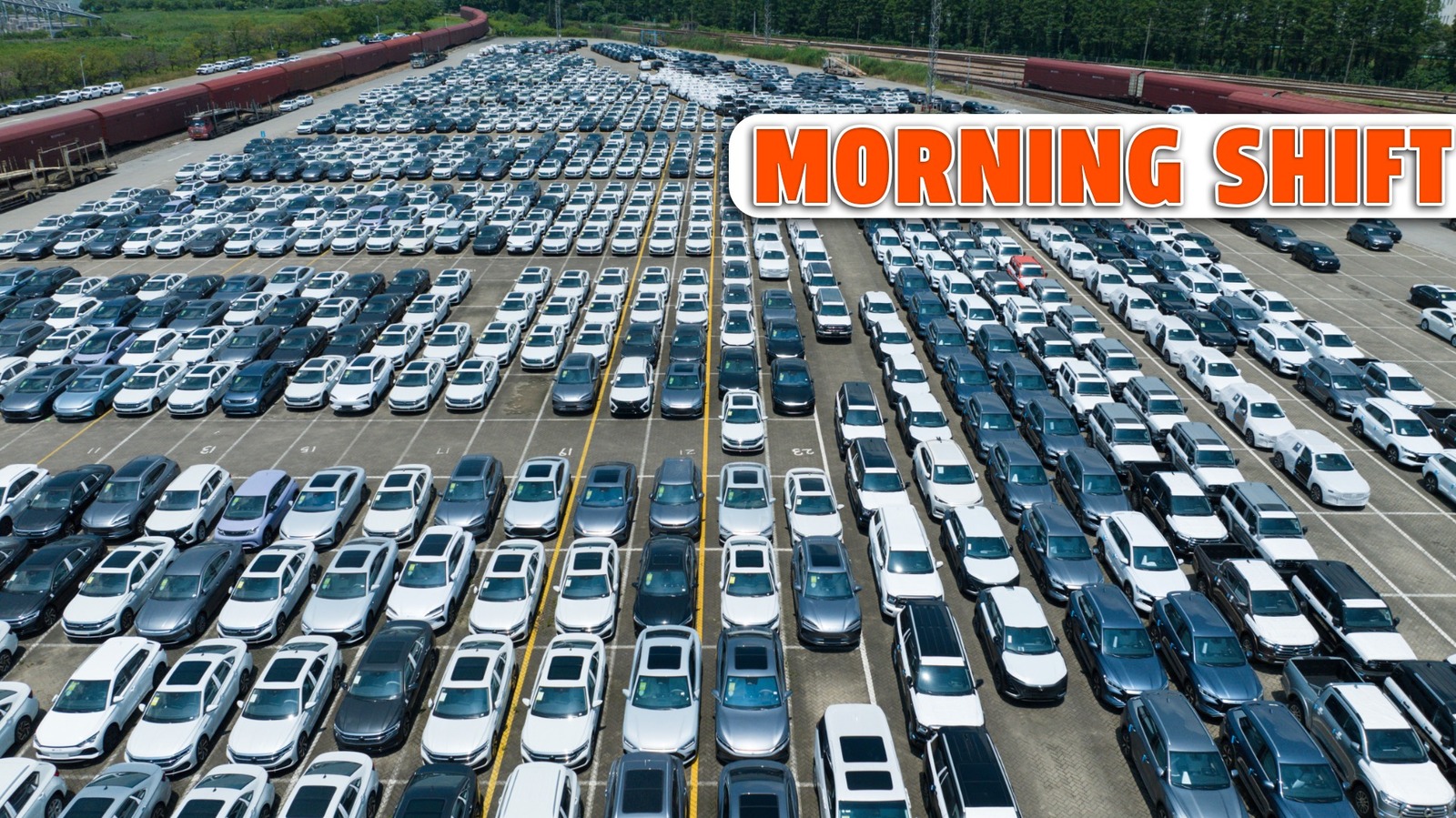
President Trump, wildcard that he is, sparked a hell of a lot of worry among key stakeholders when he said he would accept Chinese automakers building cars in the U.S., but so far no one has taken him up on the offer.
CarMotion Daily’s Take
A regulation imposed by the former Biden administration in early 2025 effectively banned Chinese automakers from selling or building passenger vehicles in the US because they could send sensitive driver data to China. Watch this space over the coming weeks. Supply chains, regulations, and consumer demand are reshaping the playbook faster than five-year plans can keep up. Dealer networks and service capacity will need to evolve alongside whatever the headline announcement implies. Regulatory filings, supplier contracts, and any production-volume adjustments usually trail the headline by a quarter or two. Stock price moves and dealer council chatter are leading indicators worth monitoring.
📝 Source & Copyright Notice
This story was first reported by Jalopnik. For the full article with original photography and complete coverage, visit the source: Read the full story at Jalopnik →