The Story
Jaguar’s last sports coupe is a modern day icon. Fresh in the memory though it is, it’s sorely missed by enthusiasts.
Dramatic design looks better than ever; not a 911Powertrains can feel hamfisted and clunky; steering feedbackThe F-type was heralded as the return of the classic Jaguar sports car and a true spiritual successor to the E-type when it first hit the road in 2013. Smaller than the XK coupe that it effectively replaced, it was Jaguar’s attempt at producing a world-beating sports car for the first time since the E-type was first revealed in Geneva in 1961.
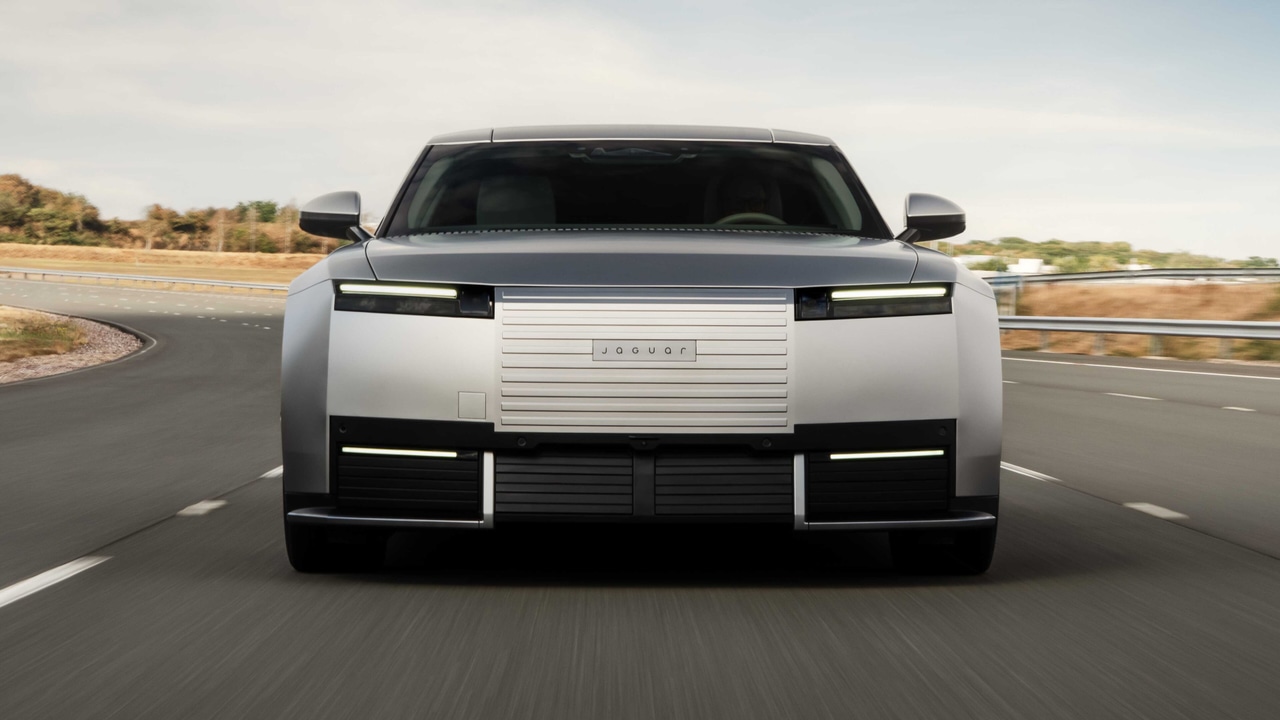
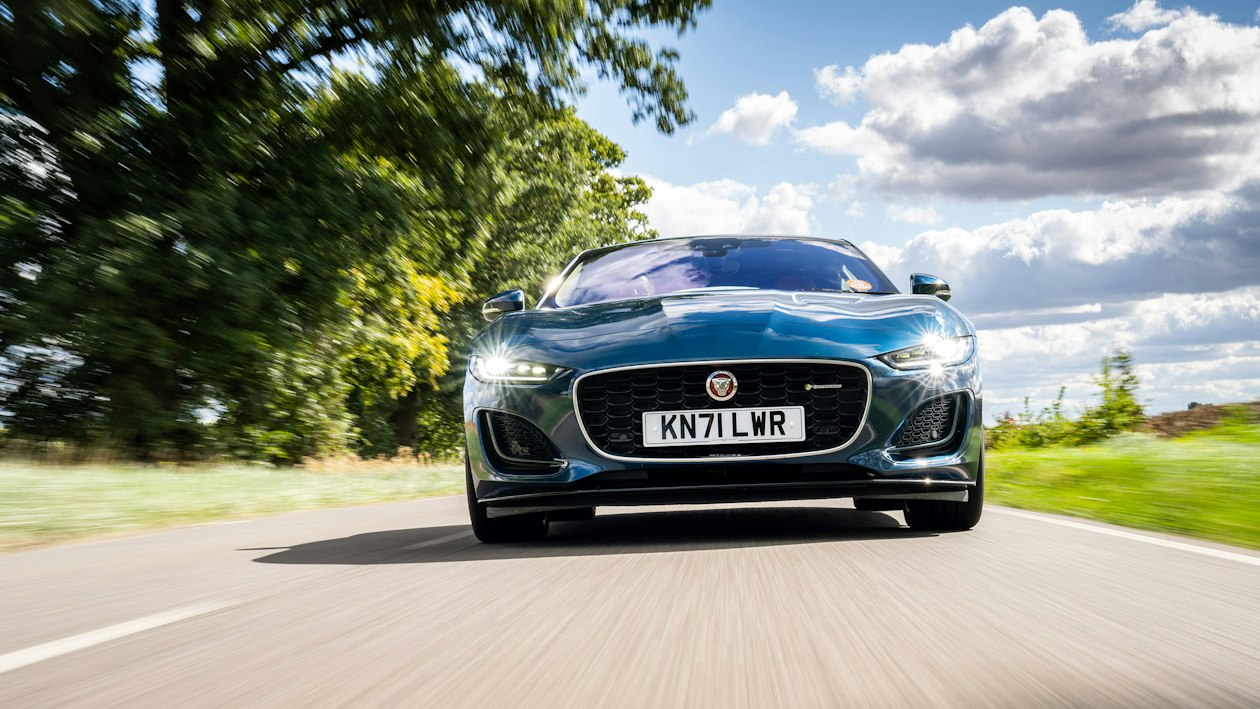
Seven years on, the F-type was given a major overhaul with fresh styling, a realigned engine range and improved tech. What didn’t change was the F-type’s distinctive style. Despite the quite substantially different front end, its dramatic proportions and sleek lines remained true to the original. Even now it’s one of the most distinctive sports cars of the last two decades and Jaguar fans have been left pining for it, as they await the Type 01 and Jaguar’s new electric era.
The supercharged 3.0-litre V6s along with an S-badged V8 were the F-type’s opening gambit when it arrived in 2013 before the Coupe models and the most powerful R arrived in 2014. The standard car has 335bhp and 332lb ft, while the S gets a boost to 375bhp and 339lb ft with the added bonus of a limited-slip differential. A ZF eight-speed automatic gearbox was for a few years the only option, but a manual joined in 2017 if only briefly, with AWD joining not long into the F-type R’s life either.
The third V6, using the same automatic transmission and also featuring either rear- or all-wheel drive, is the 400 Sport, arriving for the F-type’s first facelift alongside the four-cylinder option in 2017. As the name suggests, a 400PS - that's 395bhp - version of the V6 makes it the most powerful V6 F-type. Torque is rated at 339lb ft, identical to the 375bhp version.
It is worth mentioning that the manual gearbox in the V6 has a decent shift, even if it can’t match the best from Porsche. The action is a touch rubbery in the way it engages, but it doesn’t baulk at fast shifts. The pedals are also very well spaced for heel and toe work.
Why It Matters
Alpine A110s are on the lighter, slower side and even they’re no less than £30,000 for the earliest examples.
CarMotion Daily’s Take
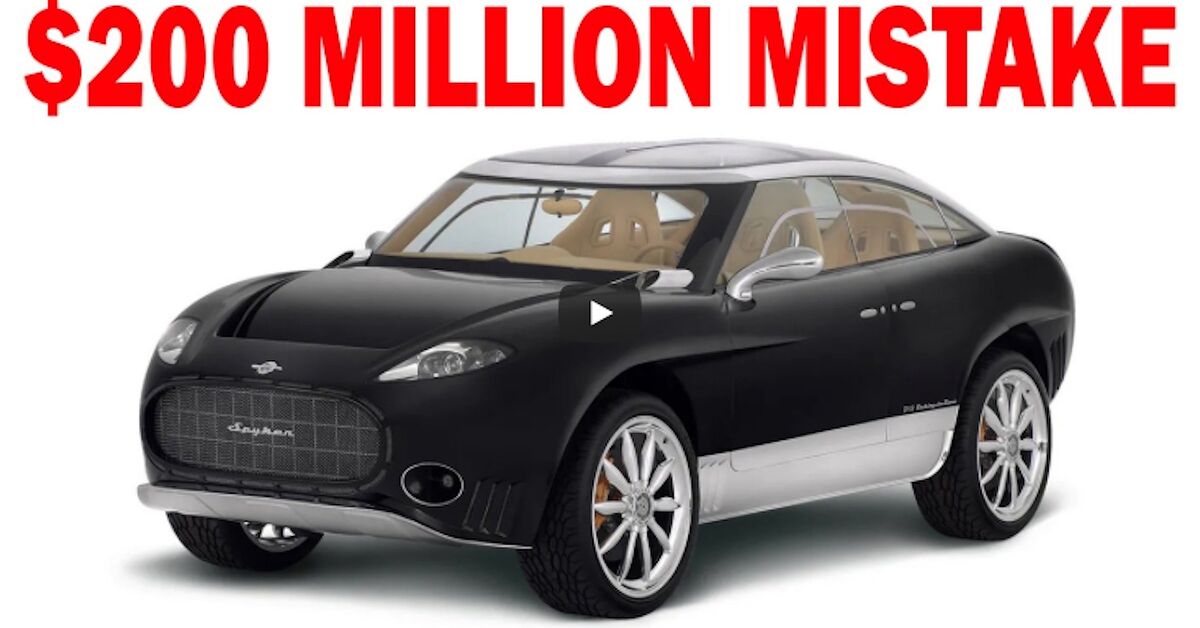
That’s a charitably vague way of saying its underpinnings could be succinctly described as those of a shortened Jaguar XK - the D6-a platform with traceable lineage going back to the 1990s. Watch this space over the coming weeks. Markets rarely reward single announcements — execution over the next two to four quarters is what closes the gap between press release and customer. How this lands depends less on the announcement itself and more on the rollout, dealer support, and after-sales story behind it. Specifics on pricing, availability, and regional rollout will tell us whether this moves from headline to delivery. Independent verification and follow-up coverage from rival outlets tend to firm up the picture within days.
📝 Source & Copyright Notice
This story was first reported by Evo-GN. For the full article with original photography and complete coverage, visit the source: Read the full story at Evo-GN →