The Story
Some of the coolest examples of Art Deco car designs include the 1933 Pierce-Arrow Silver Arrow, 1934 Chrysler Airflow, and 1935 Peugeot 402.
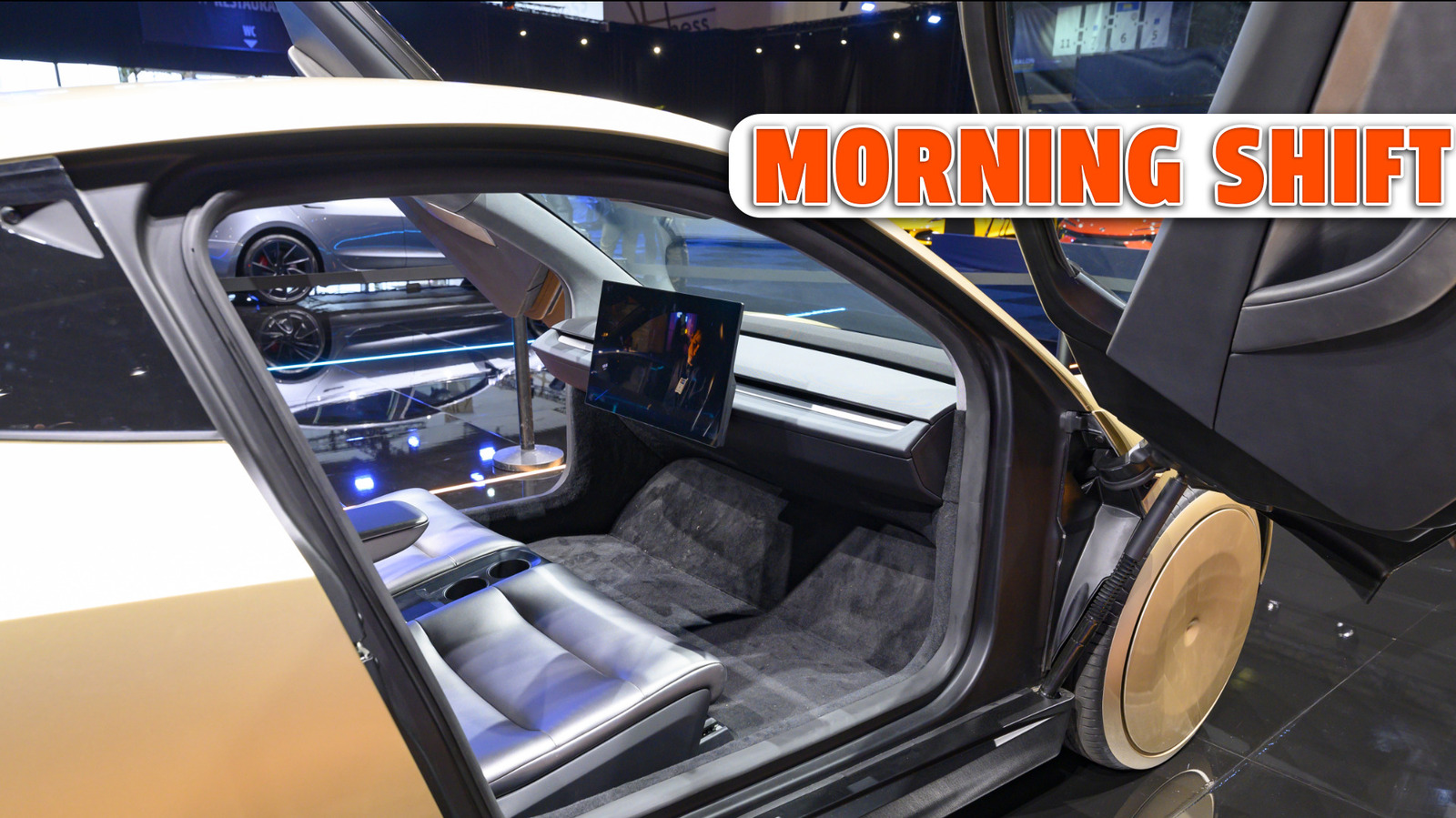
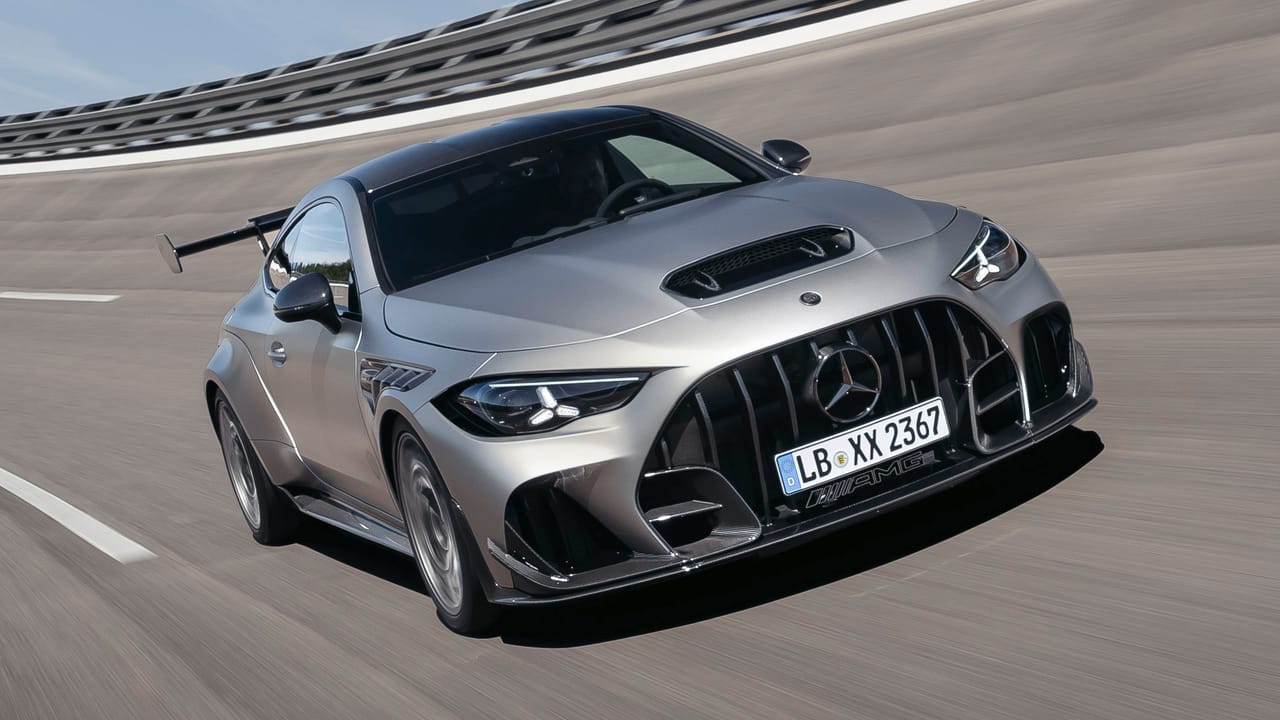
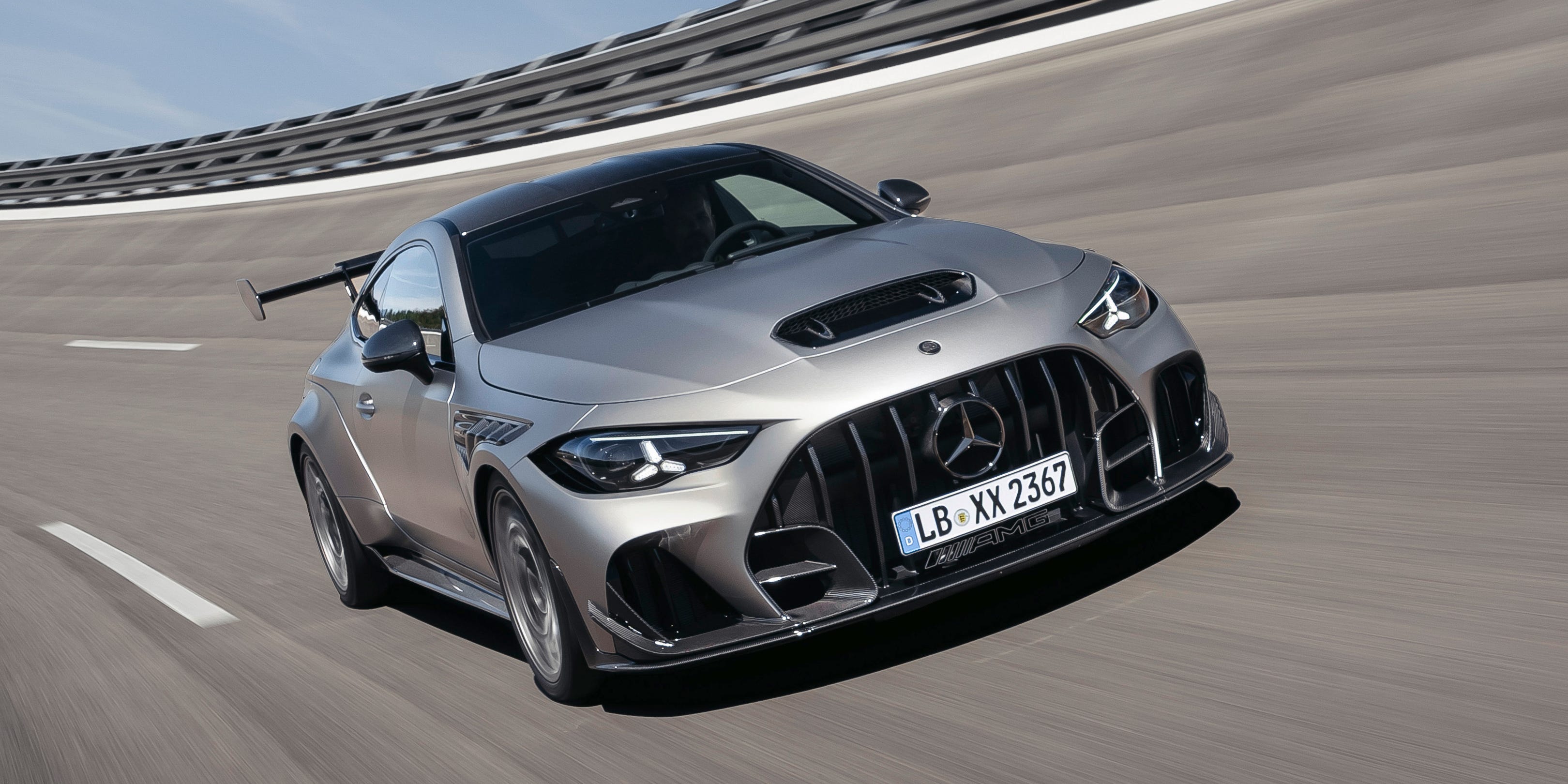
And yet, automobiles were another natural canvas for the motif, and we found some good ones. For our purposes today, “Art Deco” covers both the ornamental style most closely associated with the 1920s and early 1930s and the increasingly streamlined direction it took as the decade progressed. The Art Deco Society of New York (which ought to know) describes automotive Art Deco as “making excellent use of beautifully rounded forms, mixing baroque elements like the stylized rays of the sun, and artfully melding gentle, flowing curves with razor-sharp edges.” So, that. Or, just check out the Mercedes-Benz Vision concept, and then look at the dope pictures that follow. That works, too.
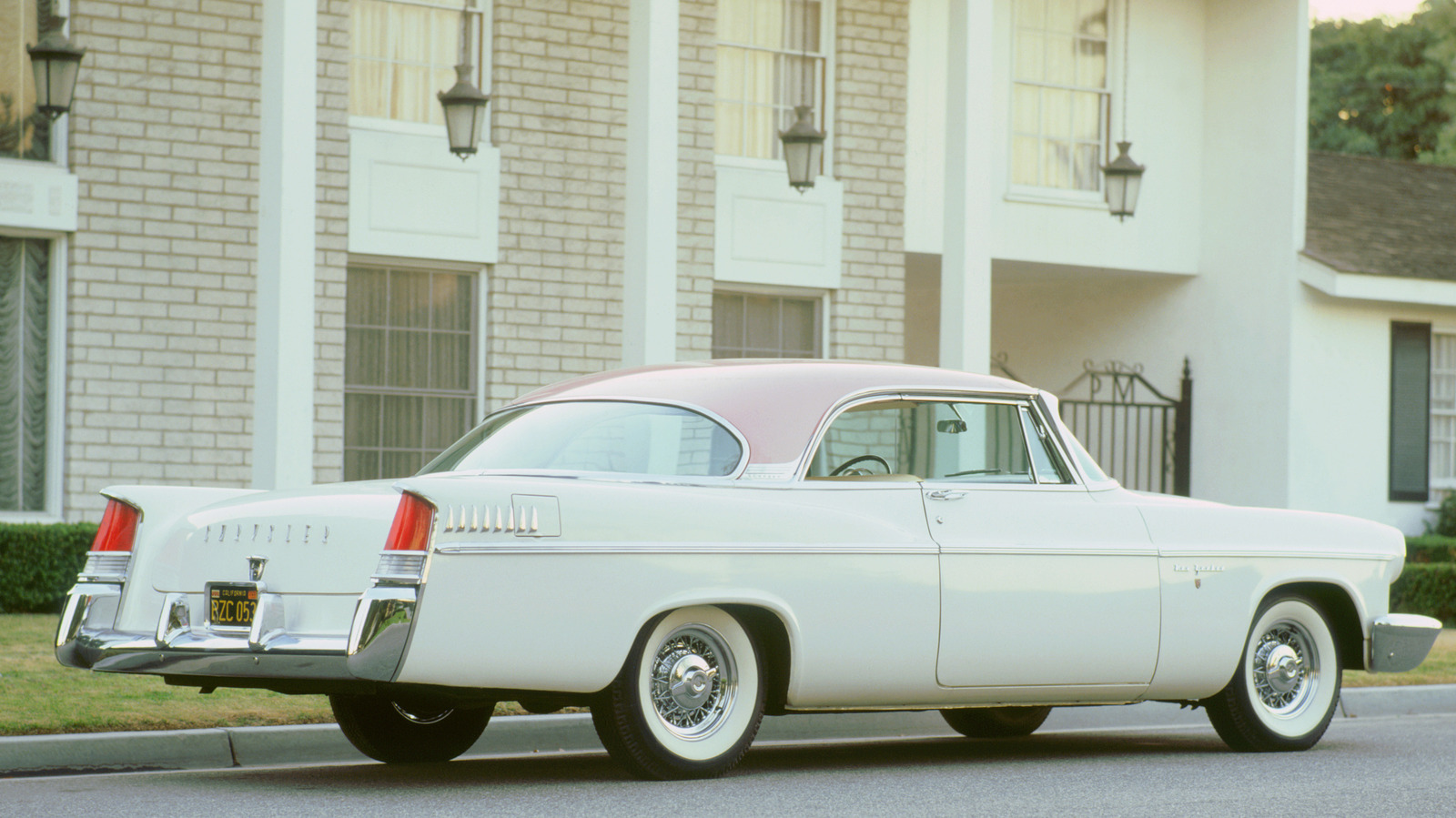
We found designs that captured that interwar fascination with geometry, ornament, machinery, speed, and aerodynamics. We’ll tour through some of these models, from the outrageous Pierce-Arrow Silver Arrow and Cord 810 to the Chrysler Airflow, Tatra T97, and even a humble Plymouth P8 Deluxe Coupe. Some did deco with subtle details. Others looked like they had arrived from 20 years ahead of schedule.
This isn’t a case where we have to squint and argue that something vaguely feels Art Deco, either. The Art Deco Society of New York, our earlier go-to source for explaining what the hell Art Deco is in the first place, calls out the Silver Arrow explicitly, pointing to details including its sweeping flush fenders, hidden side-mounted spare tires, and peculiar split rear-window treatment. More broadly, the whole body embodies what it’s all about: a machine that looks modern, fast, and futuristic, all while standing still. Pierce-Arrow sold all five cars at their $10,000 asking price and lost money on each one. Apparently, the future has terrible margins.
Mecum Auctions/Vimeo Cadillac was apparently watching Pierce-Arrow hog the futuristic-car attention at the Chicago World’s Fair and decided it also knew how to make something that looked like it belonged in Tomorrowland. In fact, GM’s Art and Colour Section developed its own Aerodynamic Coupe for the same 1933 Century of Progress exposition under Harley Earl, pairing a dramatically streamlined body with Cadillac’s V-16.
The body came from LeBaron, an American coachbuilder who was neither a baron nor French. The fastback roof swept down into a nearly circular trunk opening, while the pontoon fenders, full rear skirts, and repeating curves made the whole car feel like one composed object instead of a collection of separate body parts. And then you start noticing the smaller stuff. The roofline falls sharply toward the rear, while the rear bodywork and fenders visually wrap around the wheels instead of reading as separate pieces. The car also sat on Packard’s shortened 1106 Twelve chassis, and its running boards curved inward toward the body as the tail narrowed behind them. Smaller details carried the same theme through the car.
It’s a Packard, but somebody clearly told Packard it was allowed to have fun. That begs the question: Who owns the Packard brand now, and could we revive it?. Randy Stern/Wikimedia Commons The Chrysler Airflow is what happens when somebody stops treating “streamlined” as a decorative adjective and starts trying to make the whole damn car behave that way. Chrysler spent years experimenting with wind-tunnel testing and aerodynamic models, eventually learning, among other things, that a conventional car of the era moved through the air more efficiently backward than forward.
Why It Matters
The 402 introduced a new aerodynamic design language for the brand, and the V&A later singled it out as one of the major examples of streamlining taking hold in automobile design during the 1930s.
CarMotion Daily’s Take
When the Airflow debuted at the National Automobile Show in January 1934, it looked genuinely alien next to the upright cars around it. Watch this space over the coming weeks. Supply chains, regulations, and consumer demand are reshaping the playbook faster than five-year plans can keep up. Dealer networks and service capacity will need to evolve alongside whatever the headline announcement implies. Regulatory filings, supplier contracts, and any production-volume adjustments usually trail the headline by a quarter or two. Stock price moves and dealer council chatter are leading indicators worth monitoring.
📝 Source & Copyright Notice
This story was first reported by Jalopnik. For the full article with original photography and complete coverage, visit the source: Read the full story at Jalopnik →