The Story
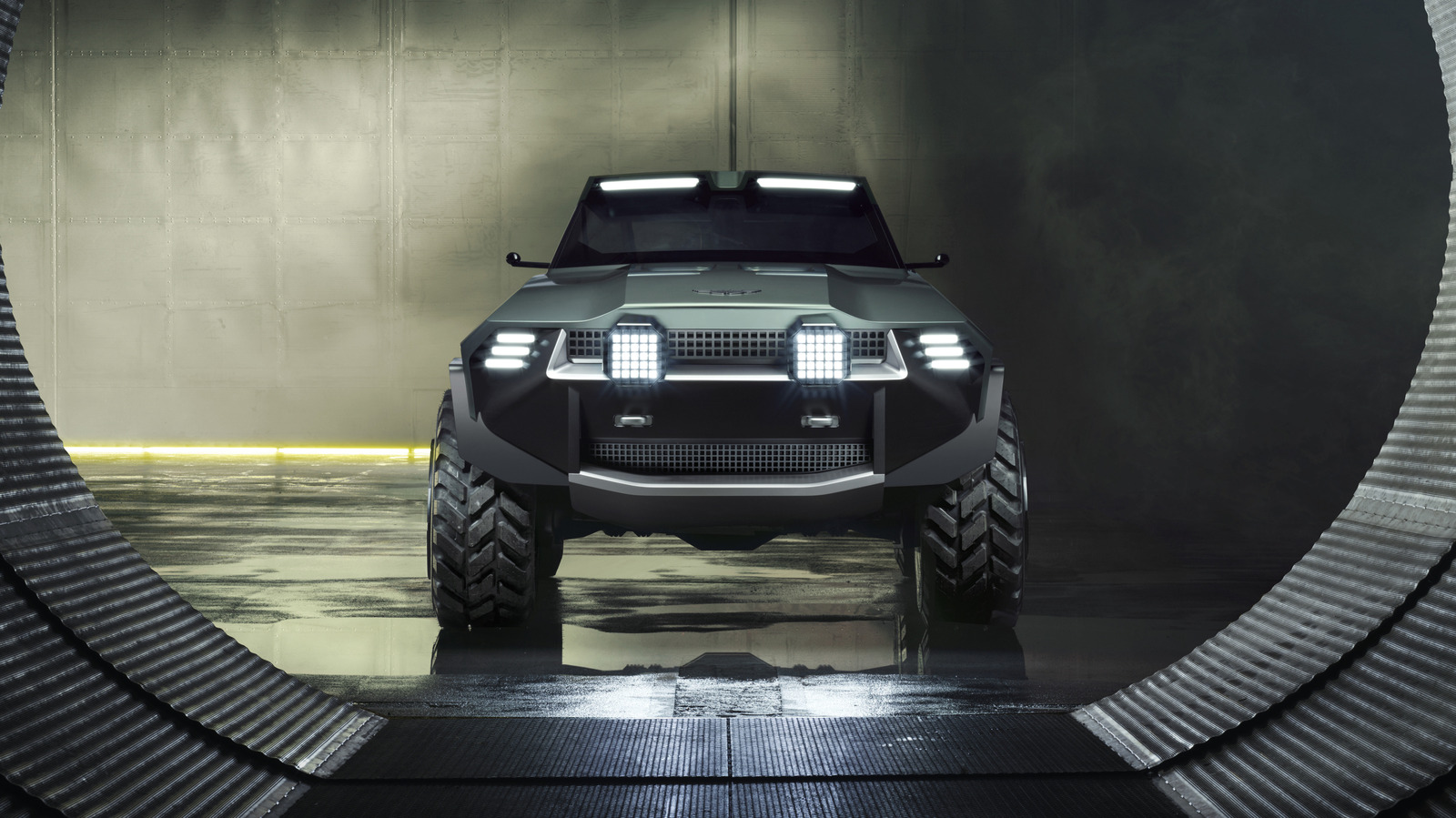
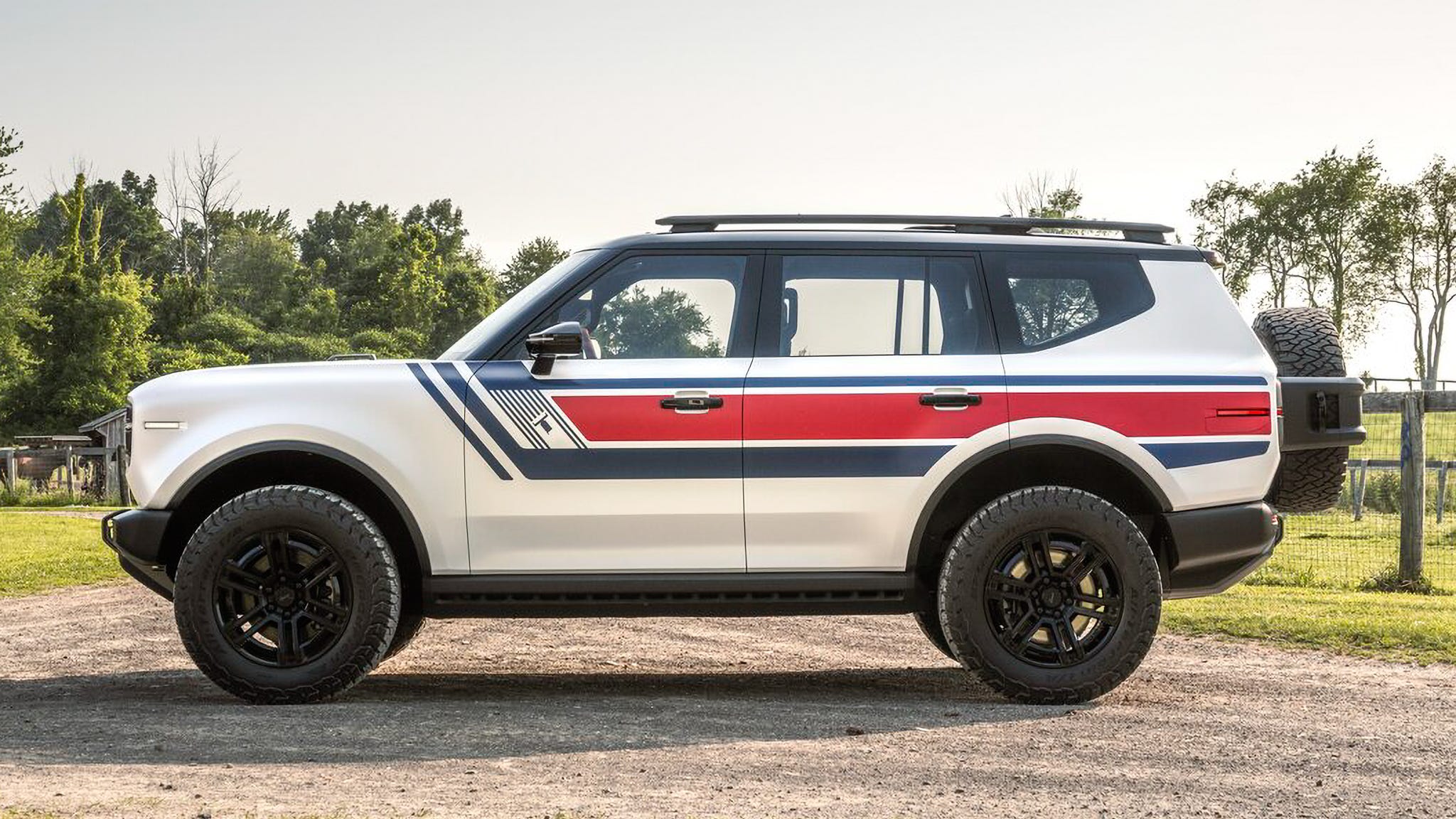
The revived EV and EREV brand is still on track, it says, to deliver Traveler SUVs and Terra pickup trucks for 2028.
“Stop saying we are delayed, or having technical difficulties, or are in trouble,” say the defiant executives at Scout Motors. To underscore their protests, the fledgling brand invited media to the giant plant under construction in Blythewood, South Carolina, to see that early vehicle builds for validation are underway.
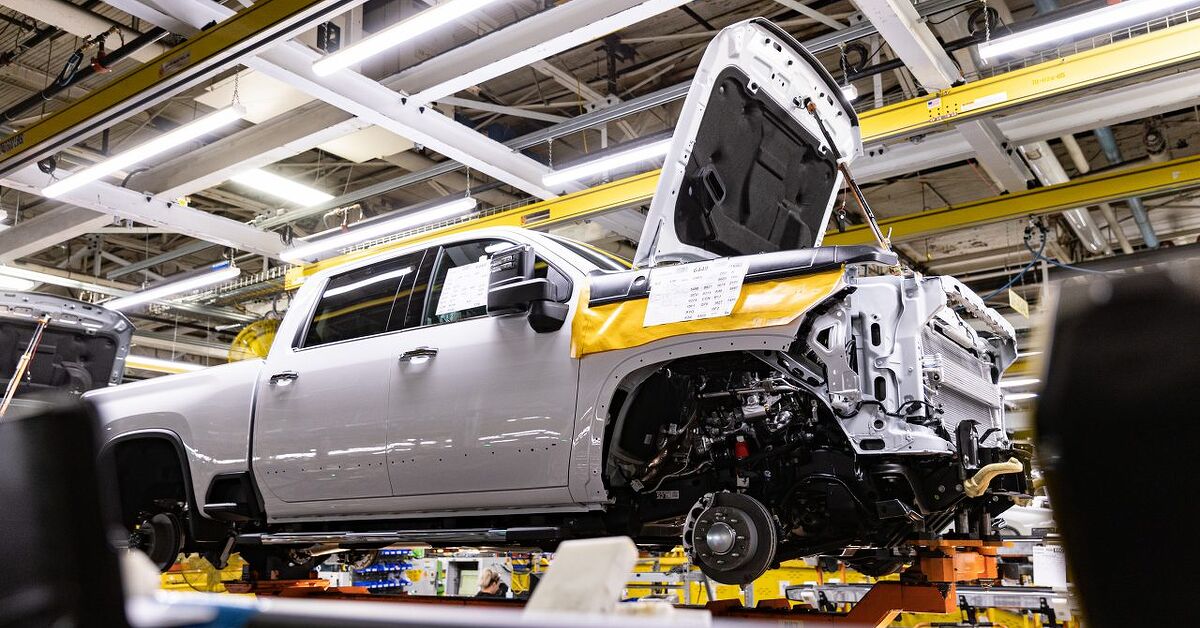
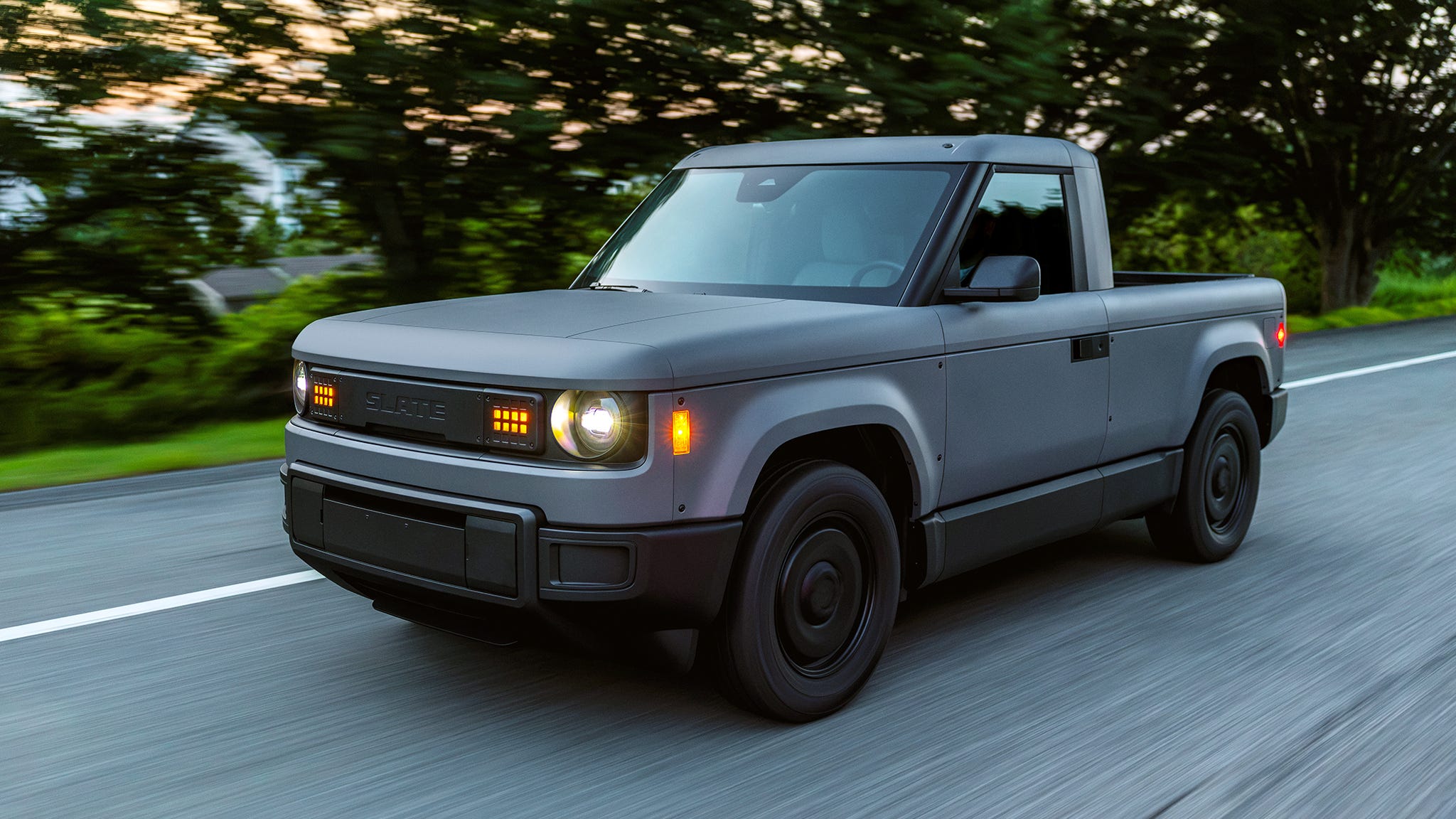
Scout Motors is now welding together bodies of the Scout Traveler SUV and Scout Terra truck, and running them through the paint shop. It is a key step to getting the new models to market for 2028.
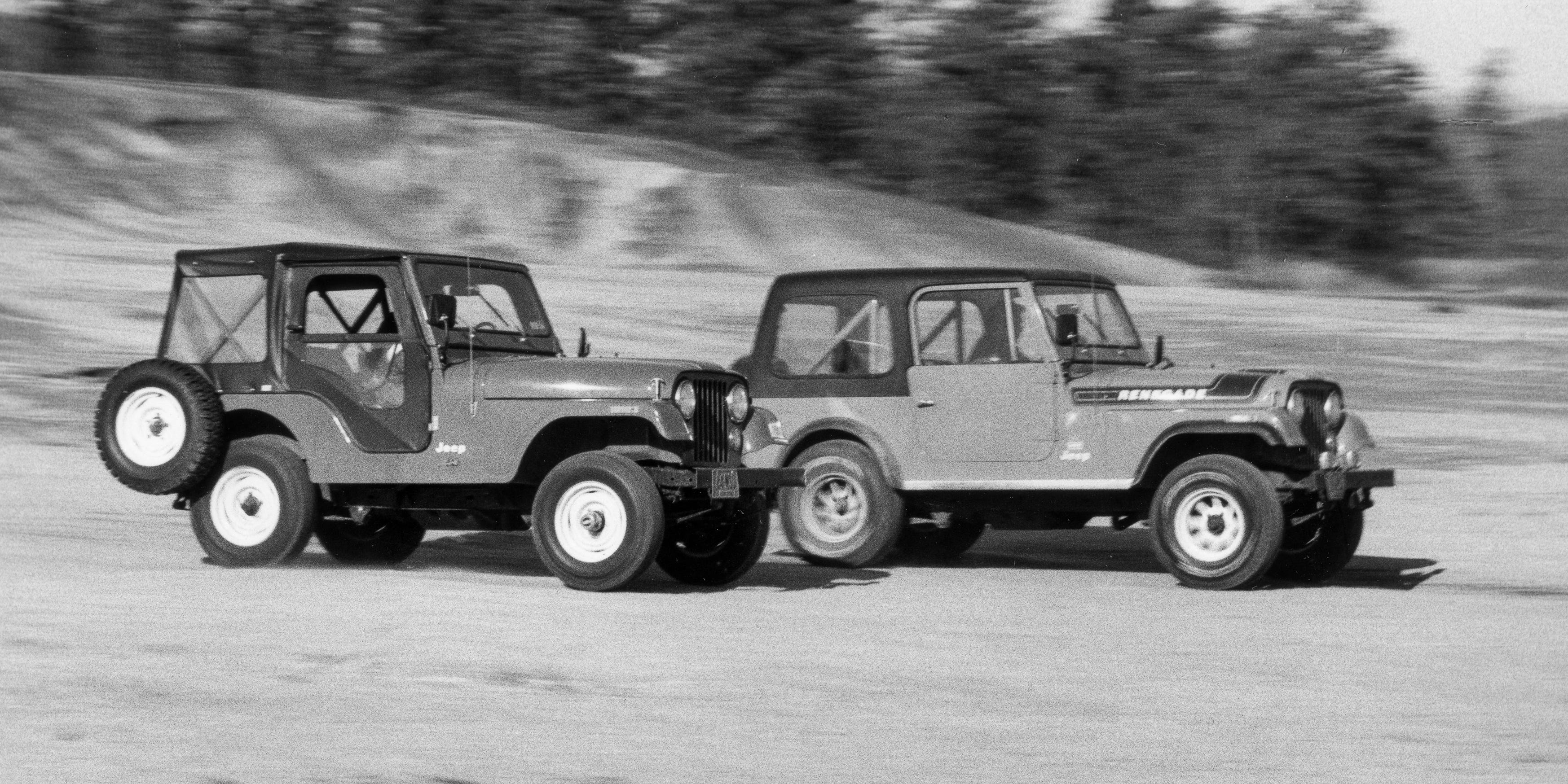
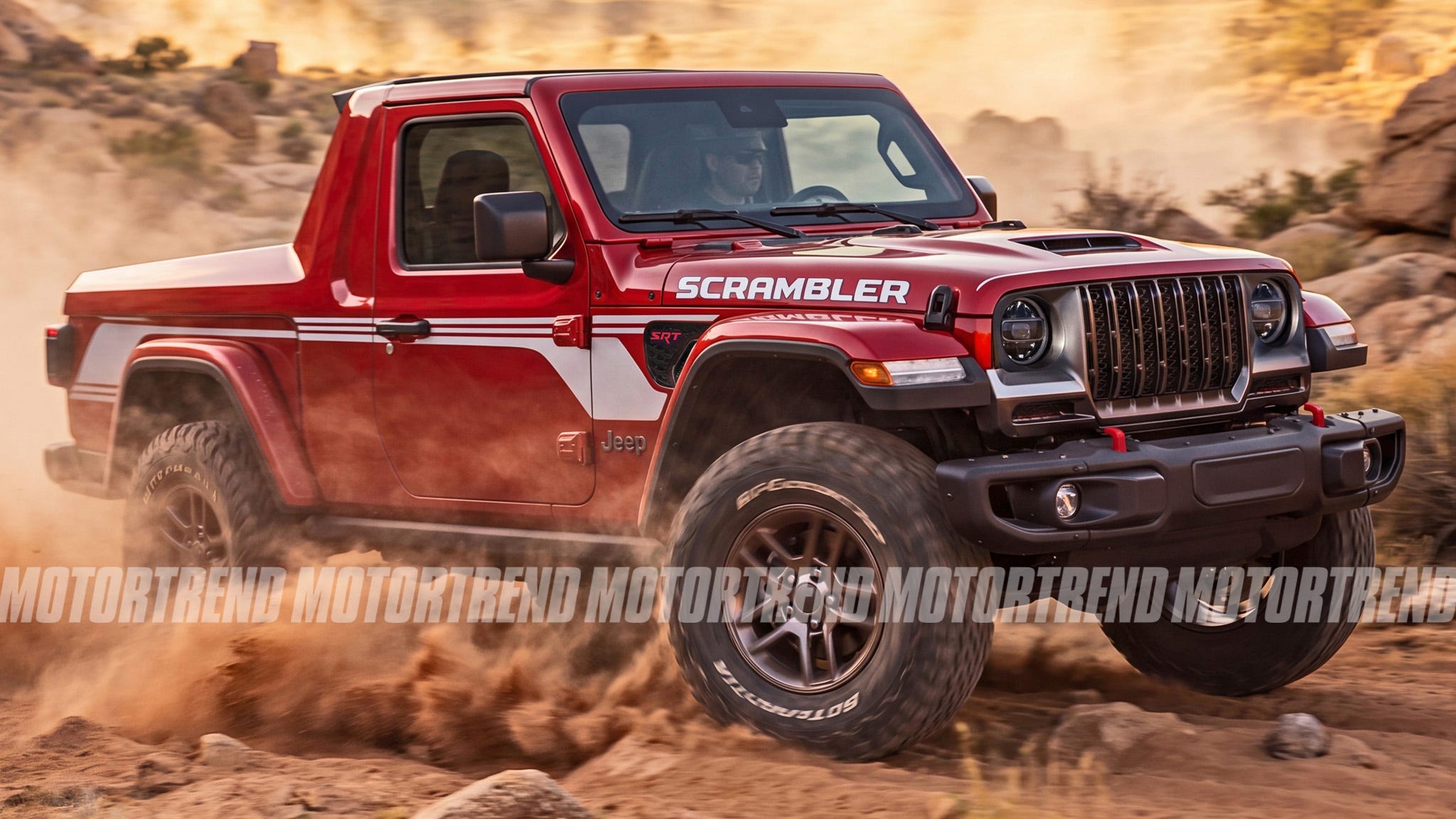
The original Scout SUVs and trucks were produced by International Harvester from 1961 to 1980. Volkswagen got the Scout name and trademark as toss-ins when it acquired Navistar, and VW established Scout Motors in 2022 to revive the brand.
The body shop inside Scout’s South Carolina plant, which is still under construction. The standalone brand will sell electric Scouts and extended-range electric (EREV) Harvester vehicles where the gasoline engine acts as a generator for motors that propel the vehicle.
The plan was to introduce pure EVs first but that changed when 85 percent of preorders were for the range extender. There are about 210,000 preorders at this point, a figure expected to grow to 400,000. Keogh hopes that translates to 12 to 18 months of confirmed sales. Because 75 percent are for the SUV, production will start with the Traveler SUV hybrid. The cadence after that is still being sorted out. But the Terra Harvester hybrid will be second to bat before pure EVs are added to the mix, says Scott Keogh, Scout Motors President and CEO.
Media reports out of Germany in February said the relaunch of the brand has been delayed to mid-2028. There have been technical issues with the hybrids, according to Der Spiegel magazine. Volkswagen and Scout were using the joint venture with Rivian as the source for the vehicles’ software and zonal architecture but adapting for a hybrid would take more time, as the alternative powertrain is not a priority or area of expertise for EV-only Rivian. That left Volkswagen’s troubled Cariad software division to pick up the slack. Keogh says the majority of the software is coming from the Rivian joint venture.
Scout officials denied the delay at the time, saying the plan all along was to start producing validation vehicles in 2026—which is happening—with initial production to begin in 2027 for deliveries thereafter. It appears salable production could be closer to the end of 2027, putting them in dealer showrooms in early 2028.
Scout Motors broke ground on its $2 billion Production Center about 20 miles north of Columbia two and a half years ago, after looking at 74 potential sites, and construction is now in its final phase. Most of the manufacturing equipment has been installed and is being fired up to build the validation units.
“What we are building in Blythewood is no longer a promise on paper,” said Keogh. “Our equipment is coming to life, and our teams are building our first validation vehicles right here in the factory. For everyone waiting for a new Scout SUV or truck, this is real progress you can see.” Scout is not in a “fuzzy dream state,” and is aware of the challenges of the industry and the fact many automakers are adding capacity in the U.S. Even though sales are forecast to remain flat. But he thinks Scout will fall into the winner category because it offers nostalgic, character vehicles in profitable segments with high demand.
Why It Matters
For everyone waiting for a new Scout SUV or truck, this is real progress you can see.” Scout is not in a “fuzzy dream state,” and is aware of the challenges of the industry and the fact many automakers are adding capacity in the U.S.
CarMotion Daily’s Take
But the Terra Harvester hybrid will be second to bat before pure EVs are added to the mix, says Scott Keogh, Scout Motors President and CEO. Watch this space over the coming weeks. Supply chains, regulations, and consumer demand are reshaping the playbook faster than five-year plans can keep up. Dealer networks and service capacity will need to evolve alongside whatever the headline announcement implies. Regulatory filings, supplier contracts, and any production-volume adjustments usually trail the headline by a quarter or two. Stock price moves and dealer council chatter are leading indicators worth monitoring.
📝 Source & Copyright Notice
This story was first reported by MotorTrend. For the full article with original photography and complete coverage, visit the source: Read the full story at MotorTrend →